Shabby: A Handwritten Font That Feels Like a Warm Hug
There’s a particular kind of charm that comes from something handwritten—a warmth that digital precision often struggles to replicate. It’s the reason a note on a café chalkboard feels more inviting than a printed menu, or why a signature on a letter carries more weight than typed text. In a world saturated with clean, geometric sans-serifs and authoritative serifs, the right script font can cut through the noise and speak directly to the heart. That’s the quiet power of Shabby, a sweet, cursive handwritten typeface designed not just to be read, but to be felt. Its gentle curves and joyful flow make it a versatile tool for anyone looking to inject a dose of personality and elegance into their work.
More Than Just Pretty Letters: The Visual Soul of Shabby
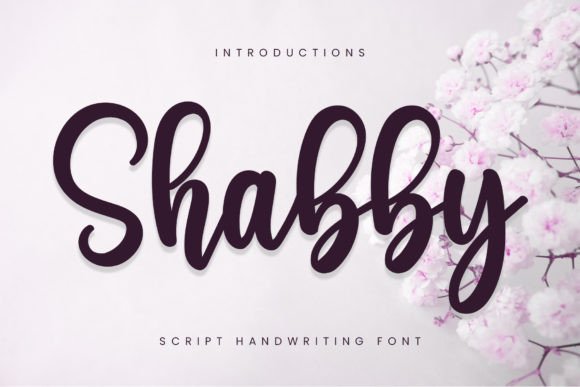
At first glance, Shabby is undeniably romantic and casual. But what makes it a practical choice for real-world projects? Its strength lies in its balanced design. Unlike overly elaborate scripts that sacrifice readability for flair, Shabby maintains a clear, flowing legibility. The letterforms connect naturally, mimicking the organic rhythm of hand-lettering without descending into illegible scrawl. This makes it a standout display font that commands attention while remaining approachable.
Think of it as the typographic equivalent of a well-worn leather journal or a favorite cashmere sweater—it feels familiar, comfortable, and inherently valuable. Its character is defined by soft terminals and subtle variations in stroke weight, giving it a human touch that sterile, mechanical fonts lack. This isn't a font that shouts; it converses. It’s perfect for projects where you want to convey authenticity, care, and a personal connection with your audience.
Practical Magic: Where Shabby Truly Shines
The real test of any creative font is how it performs across different mediums. Shabby’s versatility is its greatest asset, making it a valuable addition to any designer's toolkit. It moves seamlessly between digital and print, casual and elegant, personal and commercial.
Building a Brand with Heart
For small businesses, especially in lifestyle, wellness, or artisanal spaces, brand identity is everything. Shabby can serve as the cornerstone of a brand’s visual language. Imagine it as the primary font for a boutique bakery’s logo, a yoga studio’s class schedule, or a handmade jewelry brand’s packaging. It instantly communicates a story of craftsmanship and personal care. Paired with a clean sans serif font for body text, it creates a professional yet intimate font pairing that enhances brand recognition and sets a distinct tone.
Elevating Digital Presence
In the crowded space of social media and web design, stopping the scroll is paramount. Shabby excels as a headline font for Instagram graphics, Pinterest pins, and Facebook ads. Its romantic flair makes it ideal for quotes, announcements, and call-to-action buttons. On a website, using it for key headers or hero section text can add a layer of sophistication and warmth, improving audience engagement by making the experience feel less transactional and more relational. It’s a prime example of how modern typography can bridge the gap between professionalism and personality.
The Tangible Touch: Print and Packaging
Where Shabby truly comes alive is in print. It’s a dream for wedding stationery—invitations, programs, and thank-you cards gain an instant heirloom quality. For packaging design, it can turn a simple product label into a story. Think of a artisanal jam jar, a candle box, or a cosmetics brand where the label itself feels like part of the gift. In editorial design, it can be used for pull quotes or chapter titles in a cookbook or a lifestyle magazine, adding visual interest and breaking up long blocks of text. Its application in posters for local events or sale announcements can convey excitement and elegance simultaneously.
Smart Integration: Using Shabby Effectively
Falling in love with a font is easy; using it well requires a bit of strategy. To ensure Shabby enhances rather than hinders your project, consider these practical tips.
- Context is King: Always match the font to the project's goal. Shabby is perfect for projects aiming for a joyful, romantic, or handcrafted feel. It might not be the best choice for a corporate annual report or a technical manual, but it’s gold for a fashion lookbook, a blog header, or a wedding website.
- Prioritize Readability: Use Shabby for headlines, short phrases, and display text. For longer paragraphs or small text sizes (like in a product description or website footer), pair it with a highly legible serif font or sans serif font. This ensures your message is clear while maintaining the desired aesthetic.
- Test Your Pairings: Don’t just assume a pairing works. Create mockups. See how Shabby interacts with your chosen body font. Does the contrast create visual harmony? Does one overpower the other? A good pairing creates hierarchy and guides the viewer’s eye naturally.
- Explore the Styles: Many premium fonts like Shabby come with multiple styles—perhaps alternate characters, ligatures, or different weights. Explore these options. A stylistic alternate might give your logo that extra unique flair, while a lighter weight could work beautifully for a sub-headline.
- Check the License: If you’re using Shabby for commercial projects (like a client’s logo, merchandise for sale, or marketing materials), ensure you have the correct commercial license. This is a non-negotiable part of using design assets professionally and protects both you and the font creator.
Ultimately, Shabby is more than just a premium font; it’s a communicative tool. It’s a way to tell your audience, “We pay attention to detail. We care about beauty. We’re here to connect.” By understanding its personality and applying it thoughtfully, you can transform standard designs into memorable experiences that resonate on a human level. It’s the subtle touch that can make a brand feel familiar, a product feel special, and a message feel genuinely meant.