Happy Bee: A Handwriting Font That Brings Joy to Every Design
There’s something undeniably charming about a font that feels like it was written by a friend with a particularly lovely pen. Happy Bee is exactly that—a beautifully crafted handwriting typeface that brings a personal, approachable warmth to any project. It’s the kind of font that makes you smile when you see it, not because it’s trying too hard, but because it feels genuinely cheerful and inviting. In a world saturated with sleek, impersonal sans-serifs and overly ornate scripts, this handwritten font strikes a perfect balance between playful elegance and legible simplicity.
The Visual Personality of a Truly Delightful Typeface
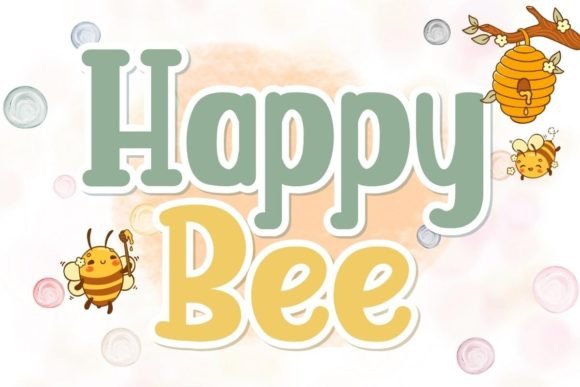
What sets Happy Bee apart is its distinct visual character. The letterforms flow with a natural, slightly bouncy rhythm that mimics real handwriting without sacrificing consistency. Each character has just enough variation to feel organic, yet maintains a cohesive style that ensures it works beautifully as a body of text. The strokes are smooth and confident, with a medium weight that reads well at various sizes. This isn’t a script font that’s overly delicate or difficult to read; it’s designed for practical use while retaining its endearing personality.
The charm lies in its details: gentle curves, slightly rounded terminals, and a subtle baseline movement that gives text a lively, human touch. It avoids the common pitfall of many handwritten fonts that become illegible when used for more than a single word. Happy Bee maintains clarity whether you’re setting a short headline or a longer phrase, making it a versatile design asset for creators who need both style and function.
From Brand Identity to Social Media: Where Happy Bee Shines
For small business owners and entrepreneurs, font choice is a critical part of brand identity. A typeface communicates values and personality before a single word is read. Happy Bee’s friendly demeanor makes it an excellent choice for brands that want to project approachability, creativity, and a touch of whimsy. Imagine it on the logo for a local bakery, a boutique gift shop, or a children’s clothing line—it immediately sets a welcoming tone.
Consider its applications across different mediums:
- Packaging Design: On product labels for artisanal goods, cosmetics, or gourmet treats, this font adds a handcrafted feel that suggests care and quality.
- Social Media Graphics: In the fast-scrolling world of Instagram or Pinterest, a creative font like Happy Bee helps posts stand out. It’s perfect for quotes, announcements, or promotional graphics that need to feel personal and engaging.
- Print Materials: Think beyond digital. It’s ideal for editorial design in magazines, posters for local events, or invitations that require a personal touch. The font translates beautifully to print, maintaining its charm on paper.
- Web Design: Used for headings, pull quotes, or call-to-action buttons on a website, it can inject personality into an otherwise standard layout, improving audience engagement by making the interface feel more human.
For content creators and bloggers, consistent use of a font like Happy Bee across blog graphics, YouTube thumbnails, and digital products can strengthen visual consistency. This repetition helps with brand recognition, making your content instantly identifiable to your audience across different platforms.
Practical Considerations for Pairing and Professional Use
While Happy Bee is versatile, its effectiveness is amplified when paired thoughtfully. A common strategy in modern typography is to combine a expressive display font with a neutral, highly readable companion. For body text on a website or in a brochure, pairing Happy Bee with a clean sans serif font like Open Sans or Lato creates a pleasing contrast. The handwritten headings draw attention, while the simple body copy ensures readability for longer passages.
Before finalizing any project, always test your font pairings at different sizes. Check how Happy Bee looks as a headline next to your chosen body font. Does the scale work? Is there enough visual hierarchy? For logo design, it’s often best to use the font for the brand name only, perhaps accompanying it with a simpler tagline in a complementary typeface.
Another crucial step is reviewing the specific styles included with your download. Many premium fonts come with alternate characters, ligatures, or stylistic sets that can further customize your text. Exploring these options can help you tailor the font precisely to your brand identity, whether you’re designing for merchandise like mugs and t-shirts or creating marketing assets for a campaign.
Choosing the Right Font for Your Project’s Goals
Not every project calls for a handwritten font, but when it does, choosing the right one is key. Ask yourself: What emotion should this design evoke? Who is the target audience? A font like Happy Bee is perfect for projects aimed at a broad, family-friendly audience or for businesses that emphasize handmade, artisanal, or personal services. It might be less suitable for corporate law firms or luxury brands that rely on a more austere, traditional serif font or minimalist aesthetic.
Always consider the context of use. For a formal editorial layout, you might reserve it for a featured article’s title to add a pop of personality. For digital products like planners or worksheets, it can make the pages feel more inviting and less clinical. The goal is to match the typography to the project’s core message and the experience you want to create for the viewer.
Finally, if you plan to use the font for commercial purposes—like selling products with the font or using it in client work—always verify the licensing. Most commercial fonts come with clear licenses that specify allowed uses. Understanding these terms ensures your creative work is both beautiful and compliant, protecting you and your business down the line.
Ultimately, a typeface is a tool for communication. Happy Bee is a tool that speaks in a voice of joy, creativity, and connection. It’s not about following a trend, but about finding the right visual language to tell your story, one delightful letter at a time.