InkPen: The Handwritten Font That Feels Like a Friendly Note
There’s a certain magic in a handwritten note. It feels personal, immediate, and full of character—a stark contrast to the polished, impersonal digital text we scroll past all day. Capturing that organic, human touch in design work can be a powerful way to connect with an audience. This is precisely where a typeface like InkPen shines. It’s not just another script font; it’s a personality-packed tool that brings warmth, approachability, and a dash of playful energy to any project it graces.
More Than Just a Pretty Script
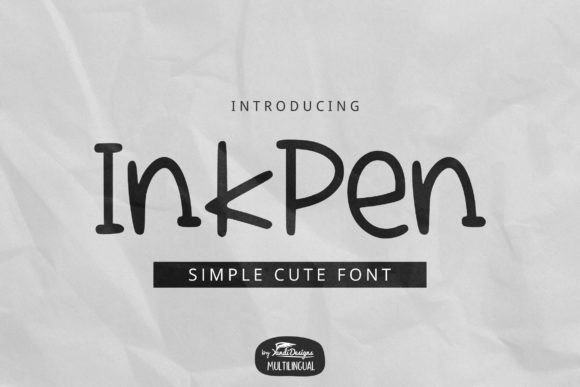
At its core, InkPen is a handwritten font designed to feel authentically casual. The letterforms mimic the natural flow of a pen on paper, with subtle variations in stroke width and a gentle, uneven baseline that avoids looking sterile or robotic. This isn't a formal calligraphy script meant for black-tie invitations; its charm lies in its "lovely and childish" aesthetic, as described. Think of the handwriting you’d use to label a homemade jam jar, jot a reminder on a sticky note, or write a cheerful message on a gift tag. This inherent friendliness makes it incredibly versatile for projects aiming to feel accessible and genuine.
The visual appeal of this creative font is its ability to communicate tone instantly. Where a sans serif font might feel clean and modern, and a serif font traditional and authoritative, InkPen injects a sense of fun, nostalgia, and personal effort. It’s a fantastic choice when you want your design to feel handmade, thoughtful, and a little bit whimsical without sacrificing clarity.
Where Does a Font Like InkPen Truly Work?
The key to using a display font with this much personality is matching it to the right context. Its strength isn't in body copy for a legal document, but rather in headlines, accents, and branding elements where its character can be fully appreciated. Here’s a look at some practical applications where InkPen can make a real difference:
- Branding & Logo Design: For a small bakery, a children’s boutique, a freelance artist, or a pet grooming service, InkPen can form the heart of a friendly, approachable brand identity. It works beautifully for logotypes where the name itself becomes the graphic, instantly conveying a hands-on, caring ethos.
- Packaging Design: Imagine this font on a label for artisanal chocolates, organic skincare, or craft supplies. It adds a layer of perceived authenticity and care, suggesting the product inside was made with passion.
- Social Media Graphics: In the fast-paced world of social media, stopping the scroll is key. Using InkPen for quotes, announcements, or call-to-action text on Instagram posts, Pinterest pins, or Facebook ads can add a personal, relatable voice that feels more human than a corporate ad.
- Web & Blog Design: Used sparingly, it can highlight key points in a blog post, style a website’s header or navigation menu for a creative site, or add flair to a "Welcome" message. It’s perfect for a personal blog or a creative portfolio site seeking a distinctive voice.
- Print & Invitations: This is its natural habitat. Birthday party invitations, baby shower announcements, thank you cards, and event posters for a local fair or school fundraiser all benefit from its cheerful vibe.
- Marketing Assets & Merchandise: Think tote bags, mugs, stickers, and notebook covers. InkPen’s style translates well to merchandise, making everyday items feel like custom creations.
Pairing InkPen: Creating Visual Harmony
A single font rarely works in isolation. The real skill in modern typography is creating a balanced hierarchy using font pairing. Because InkPen is so expressive, it pairs best with clean, neutral companions that provide a visual rest and ensure overall readability.
A classic and foolproof pairing is with a simple sans serif font. Use InkPen for your main headline or a key phrase to draw the eye, then set your subheadings or body text in a typeface like Open Sans, Lato, or Montserrat. The contrast between the organic, flowing script and the structured, geometric sans serif creates a dynamic and professional look. This approach maintains the playful energy of InkPen while grounding the design, making it suitable for everything from a website layout to a marketing brochure.
Another strategy is to pair it with a sturdy serif font like Merriweather or Playfair Display for a slightly more elegant, yet still friendly, feel. This combination can work well for boutique branding or editorial designs in magazines or blogs. The key is to let InkPen be the star of the show in limited, impactful doses.
Practical Tips for Seamless Integration
Before you dive in, a few practical considerations will help you get the most out of this design asset:
- Test for Readability: Always test your chosen font at the size it will be used. A phrase that looks charming at 72pt on a poster might become a blurry, unreadable line at 16pt on a mobile screen. Use InkPen for larger display text where its details can be appreciated.
- Review the Font Styles: Many premium fonts come with multiple weights or styles (e.g., regular, bold, italic). Check what’s included. Having a bold version can provide valuable emphasis for headlines or key words without needing a different typeface.
- Understand Commercial Licensing: This is non-negotiable for any professional or commercial project. Always verify the license of any commercial font you use. Ensure it covers your intended use, whether it’s for a client’s logo, printed merchandise, or a digital product you plan to sell. Respecting licensing protects you legally and supports the font creators.
- Align with Project Goals: Ask yourself: Does the tone of InkPen match the message? It’s perfect for a kids' clothing brand but would likely feel out of place on a law firm’s website. Let the project’s objective guide your typographic choices.
In a digital landscape saturated with the same handful of safe fonts, choosing a typeface with genuine character is a strategic move. InkPen offers a way to break through the noise, not by shouting, but by whispering with a personal, handwritten charm. It’s a tool for designers and creators who understand that sometimes, the most powerful connection is the one that feels the most human. When used thoughtfully, it doesn’t just display words—it conveys a feeling, builds a brand personality, and turns ordinary text into a memorable part of the visual story.