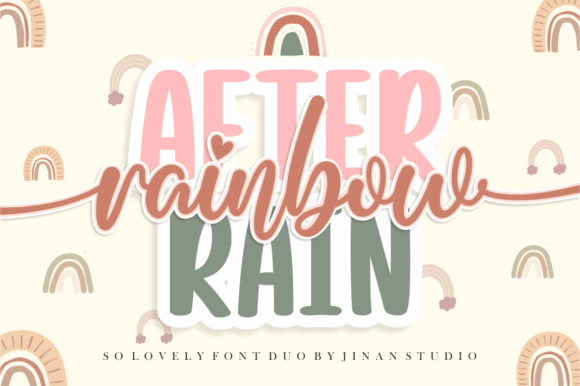
Bring a Romantic Touch to Every Design with Rainbow After Rain
There's a specific kind of magic that happens when the sun breaks through after a storm. The air feels cleaner, the world looks brighter, and that splash of color across the sky feels like a promise. Capturing that fleeting, hopeful feeling in a design project is no small feat, yet it's exactly the emotion that the Rainbow After Rain font duo is built to evoke. This isn't just another typeface; it's a carefully crafted tool for adding warmth, personality, and a touch of elegance to your work.
More Than Just a Pretty Script
At first glance, Rainbow After Rain is a stylish and delicate duo font, pairing a flowing script with a clean sans serif. This combination is its superpower. The script portion carries all the romantic, handwritten charm—think of it as the voice of your design, full of personality and movement. It's perfect for creating focal points, like a brand name on a logo or a headline on an invitation. The accompanying sans serif acts as its reliable partner, providing clear, readable text for longer passages or supporting information. Together, they create a complete visual language that feels both personal and professional.
What truly sets this premium font apart is its thoughtful design. The letterforms in the script are connected with natural, fluid strokes, avoiding the stiff, overly digital look that plagues many script typefaces. The swashes and alternates aren't just afterthoughts; they're integral to its character, allowing you to customize words and create truly unique typographic compositions. Because it's PUA encoded, accessing all those beautiful glyphs and swashes is straightforward, whether you're using advanced design software or more basic tools. This ease of use means you spend less time wrestling with technicalities and more time being creative.
Where This Typeface Truly Shines: Real-World Applications
The versatility of a font duo like this is what makes it a valuable asset in any designer's toolkit. It transitions seamlessly across mediums, maintaining its core identity while adapting to the needs of the project. Let's break down where you can put it to work.
For branding and logo design, Rainbow After Rain offers an instant personality injection. A boutique bakery, a wedding planner, or a handmade jewelry shop could use the script for their main logotype to convey artisanal quality and care, paired with the sans serif for their website navigation or business card details. This creates a cohesive brand identity that feels established and trustworthy from day one.
In packaging design, it can be the difference between a product that sits on the shelf and one that jumps into a cart. Imagine the script font used on a label for a artisanal jam or a scented candle, with the sans serif listing the ingredients or scent notes. It communicates quality and a story before the customer even reads a word.
For digital creators, the applications are endless. On social media graphics, the script can make quotes and announcements feel more personal and engaging, helping your content stand out in a crowded feed. It's equally effective for blog headers, creating a welcoming and stylish entry point for your articles. For those selling digital products—like planners, templates, or e-books—this font adds a layer of perceived value and professionalism that can justify a premium price point.
Don't overlook its power in print and editorial layouts. Use it for chapter headings in a book, for pull quotes in a magazine spread, or for the title of a poster. The romantic touch it brings can elevate a simple event poster for a community gala or a farmer's market into something people want to keep and remember.
Practical Tips for Using a Decorative Font Duo
Having a beautiful font is one thing; using it effectively is another. Here are some grounded, practical considerations to keep in mind.
Prioritize Readability. The ornate script is best used for headlines, logos, and short phrases where impact matters more than extended reading. For body copy, always default to the sans serif component. This pairing ensures your message is both seen and understood.
Test Your Pairings. While Rainbow After Rain comes as a designed duo, you might want to pair it with other fonts in your existing library. Test how the script interacts with other sans serifs or even a simple serif font. The goal is harmony, not competition. Let the script be the star and choose supporting fonts that play a quiet, complementary role.
Consider the Context. Match the font's personality to your project's goal. The romantic, hopeful vibe of Rainbow After Rain is perfect for celebratory, personal, or artisanal themes. It might feel out of place on a corporate financial report, but it's ideal for a boutique hotel's welcome booklet or a florist's menu.
Explore All the Options. Don't just type and go. Take the time to explore the glyph panel in your design software. Experiment with different swashes and alternate characters for key letters. This small step can transform a standard word into a custom piece of art, making your design feel bespoke.
Understand the License. If you're using this for commercial work—which is its intended purpose—ensure you have the correct license. A PUA-encoded, commercial font like this is designed for projects where you can monetize your creations, from client work to merchandise you sell. Always review the licensing terms to use your design assets with confidence.
In the end, typography is about communication and emotion. The Rainbow After Rain font duo provides a specific, beautiful emotional channel—one of hope, elegance, and personal touch. By understanding its strengths and applying it thoughtfully, you can use it to create designs that don't just look good, but feel meaningful and connect with your audience on a deeper level.