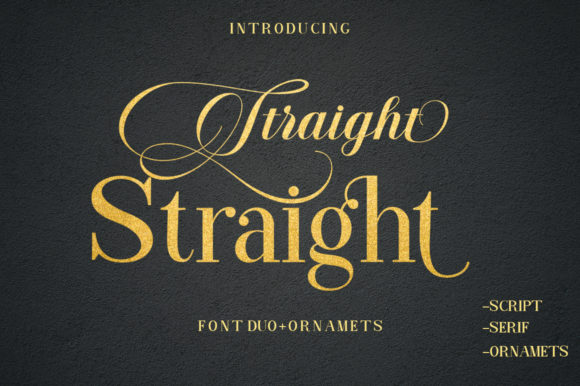
Straight: The Modern Font Pairing for Elegant Design
There’s a particular magic that happens when you find the right typeface for a project. It’s the moment a design stops feeling like a collection of elements and starts telling a coherent story. For creatives juggling multiple projects—from a brand identity system to a social media campaign—finding a font that is both versatile and full of character can feel like striking gold. This is where a thoughtfully designed duo font like Straight enters the conversation, offering a built-in solution for creating dynamic, professional, and visually harmonious designs.
Understanding the Dual Nature of Straight
At its core, Straight is a premium font package that provides two complementary styles: a clean, sturdy serif and a flowing, elegant script. This combination is its greatest strength. The serif component, with its sharp, modern lines and excellent readability, forms the backbone of any layout. Think of it as the reliable narrator—perfect for body text on a website, clear product descriptions on packaging, or professional headings in an editorial layout. Its structure brings order and sophistication.
The script counterpart, meanwhile, is the expressive storyteller. It introduces movement, personality, and a touch of handwritten warmth. This style excels at creating focal points—a striking logo, a captivating headline on a poster, or a personal signature on a marketing asset. Used together, these two styles within the Straight typeface family create a natural visual hierarchy. You can establish a clear, readable foundation with the serif and then draw the eye to key messages with the script, all while maintaining a cohesive brand identity. This built-in font pairing saves immense time and eliminates the guesswork of trying to find two separate fonts that work in harmony.
Where This Creative Font Truly Shines
The real test of any design asset is its practical application. Straight’s versatility makes it a workhorse for a vast array of creative projects. For small business owners and entrepreneurs, it’s a toolkit for building a recognizable brand from the ground up. Use the serif for your business name and core messaging to project stability, and integrate the script for your tagline or a special logo mark to add a human touch. This approach works beautifully for everything from a boutique coffee shop’s packaging to a consultant’s professional stationery.
Content creators and marketers will find it invaluable for maintaining visual consistency across platforms. Imagine your Instagram graphics: the serif font can handle your quotes and informational text, while the script highlights a call-to-action or a key phrase, making your posts instantly recognizable in a crowded feed. For websites and blogs, this modern typography approach enhances readability and user experience. The serif ensures your articles are easy to read, while the script can beautifully accentuate pull quotes or section dividers, adding a layer of editorial design flair.
Beyond the digital realm, Straight is a powerhouse for print. It elevates invitations, making them feel bespoke and thoughtful. On posters and merchandise, the combination commands attention. The serif delivers the essential event details with clarity, and the script adds the celebratory or artistic mood. For digital products like e-books or online course materials, using this font pairing throughout creates a polished, professional presentation that increases perceived value and keeps your audience engaged.
Making Smart Typography Choices
Having a versatile font is one thing; using it effectively is another. The key is intentionality. Before you even open your design software, consider the goal of your project. Are you aiming for trustworthy and established? Lean more heavily on the serif. Is the goal playful, luxurious, or personal? Let the script take a more prominent role, but always in a supporting capacity for large blocks of text to ensure readability.
A practical step is to test your font pairings in context. Don’t just look at the alphabet in a preview. Type out your actual business name, a sample headline, and a paragraph of your real body copy. See how the letters interact, check the spacing, and assess the overall rhythm. Pay close attention to readability, especially for the script style. While beautiful, script fonts are best reserved for short bursts of text like logos, headers, or accents. For longer sentences or smaller sizes, the clarity of the serif is your best friend.
It’s also wise to review the full character set of any commercial font you consider. Look for the inclusion of numerals, punctuation, and multilingual support if needed. Understanding what’s included ensures you won’t hit a roadblock mid-project. Finally, always confirm the licensing. A font labeled for personal use only cannot be used for client work, merchandise, or anything that generates revenue. Investing in a properly licensed premium font protects you legally and supports the designers who create these essential tools for your work.
Building a Cohesive Visual Language
Ultimately, the goal of any design choice is to communicate more effectively and build a stronger connection with your audience. A well-chosen typeface like Straight is more than just letters on a page; it’s a fundamental component of your brand identity. It helps in creating a visual language that is consistent, professional, and memorable. When your website, social media graphics, packaging, and print materials all speak the same typographic dialect, you build brand recognition and trust without saying a word.
This consistency makes your marketing assets look unified and intentional, which resonates with customers. It shows attention to detail—a quality people often associate with the quality of the products or services themselves. For the designer, the hobbyist, or the entrepreneur, having a go-to font pairing that works across multiple contexts simplifies the creative process and elevates the final output. It turns the task of choosing typography from a potential headache into a confident, creative decision.
So, as you plan your next project—whether it’s a full brand refresh, a new product launch, or a series of engaging social posts—consider the story your typography tells. Look for a typeface that offers both structure and personality, one that can adapt to your needs while maintaining a clear, elegant voice. The right font doesn’t just display your words; it helps them come alive, giving your creative ideas the polished, professional foundation they deserve.