The Honey Story Font Duo: A Sweet Blend of Elegance and Versatility
There’s a particular feeling you get when a design just clicks—when the typography doesn’t just carry the message, but elevates it. If you’ve ever searched for a typeface that balances classic elegance with a touch of personal warmth, you might have come across Honey Story. This isn’t just another font; it’s a carefully crafted duo designed to bring a cohesive, luxurious feel to a wide range of creative projects. Understanding its strengths and how to apply them can genuinely transform your visual communication.
More Than Just a Pretty Face
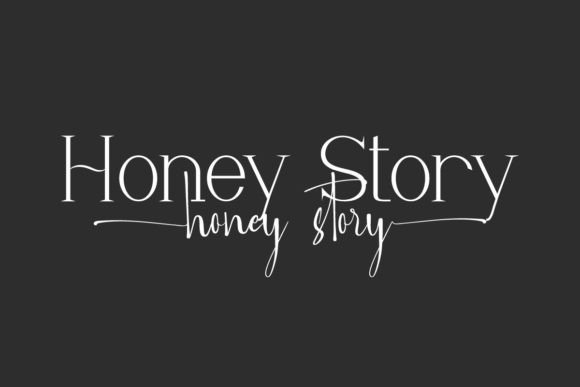
At its core, Honey Story is a premium font pairing that marries two distinct yet harmonious styles. You get a sophisticated serif display font and a flowing signature script. What makes this duo particularly effective is the shared design DNA. Both styles echo a similar aesthetic, which means they work together seamlessly from the moment you install them. The serif offers structure and readability for headlines and key text, while the script adds a personal, handwritten touch that feels authentic and expensive. This built-in consistency is a huge time-saver and a strategic advantage for anyone building a visual identity.
The visual impression it creates is one of quiet confidence. It’s elegant without being stuffy, luxurious without being overly ornate. Think of a high-end boutique’s branding or the title sequence of a romantic film. The letterforms have a refined quality, with thoughtful details in the serifs and graceful connections in the script. This makes it a versatile tool for projects that need to communicate quality, care, and a touch of personality.
Putting Honey Story to Work in Your Projects
The true value of any creative font lies in its application. Where does a typeface like this truly shine? The possibilities are surprisingly broad, bridging the gap between digital and print, personal and commercial.
For branding and logo design, Honey Story provides a ready-made foundation for a cohesive identity. Use the serif for your primary business name and the script for a tagline or sub-brand. This pairing instantly communicates a brand that values both professionalism and personal connection—ideal for consultants, boutique agencies, artisanal product makers, or lifestyle brands. The font’s inherent elegance helps build brand recognition through a distinct and memorable typographic voice.
In packaging design, the script can add a handcrafted feel to labels for cosmetics, gourmet foods, or specialty gifts, while the serif ensures essential information remains clear and legible. For social media graphics and web design, it’s perfect for creating standout headlines on hero images, quote graphics, or promotional banners that need to stop the scroll. The PUA encoding is a practical benefit here, allowing easy access to special characters and ligatures to add unique flair to your digital posts or website banners.
Beyond the digital realm, this font duo excels in print. Imagine elegant invitations for weddings or corporate events, sophisticated editorial layouts in magazines or lookbooks, or premium marketing assets like brochures and business cards. It’s equally at home on merchandise, lending a stylish touch to tote bags, mugs, or apparel. For bloggers and content creators, using Honey Story for featured image titles or chapter headings in digital products like eBooks or planners can significantly enhance perceived value and reader engagement.
Making Smart Typographic Choices
While Honey Story is a powerful tool, using it effectively requires some thoughtful consideration. Choosing the right style for the right job is key. The serif display is your workhorse for headlines, titles, and short blocks of text where impact and clarity are paramount. The signature script is best used sparingly for accents, names, quotes, or elements where you want to inject personality and a human touch. Overusing the script for body copy can harm readability.
Think about your project’s goals. Are you aiming for timeless sophistication? Lean more on the serif. Want to emphasize a personal, handcrafted story? Let the script take the lead for key phrases. Always consider your audience. A design for a financial advisor will use these fonts differently than one for a wedding planner, even though both benefit from the elegance.
A crucial step is to test font pairings. While Honey Story is designed to work together, you might pair its serif with a clean, neutral sans serif font for body text in longer documents to maintain excellent readability. Use the Honey Story script and serif for display elements, and a complementary sans serif for paragraphs. This creates a visual hierarchy that guides the reader’s eye naturally.
Finally, always review the included font styles and character sets. Knowing exactly what ligatures, alternates, and special characters are available allows you to fully utilize the font’s potential and avoid surprises during production. And, of course, ensure you have the appropriate commercial licensing for any project that will be sold or used for business promotion. Respecting licensing is a fundamental part of professional practice.
Ultimately, Honey Story is more than a collection of glyphs. It’s a design asset that can help you achieve visual consistency, elevate your professional presentation, and create a stronger emotional connection with your audience. By understanding its personality and applying it with intention, you can tell a more compelling and polished visual story across all your creative endeavors.