The Goodfather: A Typeface That Blends Vintage Charm with Modern Edge
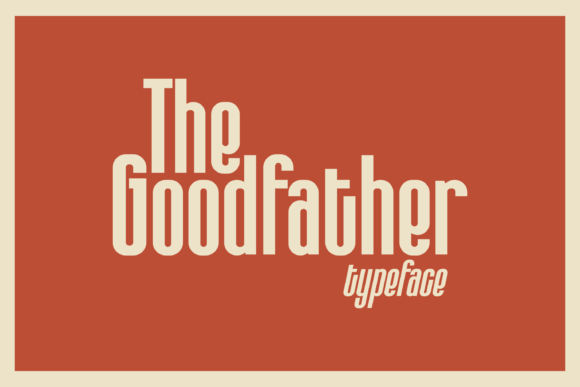
Every designer has a moment where a project needs a specific kind of energy. It’s not just about choosing a font that’s readable; it’s about finding one that carries a mood. You need something that feels substantial, confident, and carries a hint of nostalgia without feeling dated. This is the precise space The Goodfather occupies—a condensed sans serif that masterfully bridges the gap between retro appeal and contemporary sharpness, offering a versatile tool for a wide array of creative endeavors.
A Bold Statement in Every Letterform
What makes a typeface like The Goodfather visually compelling is its inherent duality. It’s a condensed sans serif, meaning it saves horizontal space while maximizing vertical impact. This design choice alone creates a sense of urgency and efficiency, perfect for headlines that need to grab attention quickly. Yet, the vintage-inspired details soften its edges. The letterforms have a slightly rounded, humanist quality that prevents it from feeling sterile or overly mechanical. The result is a font that feels both classic and fresh. When you use it, you’re not just setting type; you’re injecting a bold, dramatic statement into your artwork. Its super easy legibility ensures that this style never comes at the cost of clarity, whether viewed on a screen or in print.
Practical Applications Across the Creative Spectrum
The true value of a premium font like this lies in its adaptability. It’s not a one-trick pony designed for a single niche. Its character makes it suitable for projects where you want to evoke a sense of heritage, craftsmanship, or straightforward authority with a modern twist.
Consider its role in brand identity. For a small-batch coffee roaster, an artisanal brewery, or a vintage-inspired clothing label, The Goodfather can form the core of a logo design. It communicates quality and tradition without relying on ornate serifs. The condensed nature allows for strong, stackable wordmarks that look great on packaging labels, price tags, and social media profile pictures.
In the realm of marketing and social media graphics, attention is the primary currency. This display font excels at creating scroll-stopping headlines for Instagram posts, YouTube video thumbnails, and Facebook ads. Its bold weight ensures text remains impactful even at smaller sizes on mobile devices. For bloggers and content creators, using it for pull quotes or section headers can break up long blocks of text, adding visual rhythm and emphasizing key points that improve audience engagement.
For print and editorial design, the applications are equally robust. Imagine it on the cover of a book, setting the tone for a gritty thriller or a historical saga. It works beautifully on event posters, concert flyers, and festival branding, where its retro vibe can tap into specific aesthetic trends. In packaging design, it helps products stand out on crowded shelves, conveying a sense of substance and reliability. Even for more personal projects like wedding invitations or DIY craft labels, it adds that special retro touch that feels both personal and professionally crafted.
Integrating The Goodfather into Your Design Workflow
Choosing the right font is only half the battle; using it effectively is what elevates a project. A practical approach involves more than just liking how the letters look. First, consider the font’s personality and match it to your project’s goals. The Goodfather’s vintage-modern blend is ideal for brands that want to appear established yet approachable, or for designs that need to feel grounded and trustworthy.
One of the most critical steps in typography is font pairing. A condensed sans serif like this pairs exceptionally well with a clean, open sans serif for body copy, creating a clear visual hierarchy. It also complements a simple script font for accents, allowing the main headlines to retain their bold authority. The key is contrast in style, not conflict. Always test your pairings in context—see how they look together on a mockup of a business card, a website hero section, or a product label before finalizing.
Readability considerations should always be front and center, even with a highly legible typeface. While The Goodfather is designed for easy reading, using it for long paragraphs of body text might not be its strongest suit due to its condensed nature. It shines brightest in shorter bursts: headlines, subheads, titles, and call-to-action buttons. For extended reading, pair it with a more traditional serif or sans serif body font.
Before diving in, review the included font styles. A quality font family often comes with multiple weights (like Regular, Bold, Black) and sometimes even stylistic alternates or ligatures. Understanding what’s in your toolkit allows for more nuanced and sophisticated designs. Finally, for any project that will be sold or distributed commercially, always verify the commercial licensing terms. Ensuring you have the correct license for your intended use—whether for a client’s logo, merchandise, or digital product—is a non-negotiable part of professional practice.
More Than Just a Font: A Design Asset
In a landscape saturated with countless typefaces, The Goodfather stands out as a cohesive design asset. It’s a creative font that doesn’t just occupy space; it contributes to a narrative. It helps improve visual consistency across a brand’s touchpoints, from its website to its printed stationery. By providing a strong, recognizable typographic voice, it aids in building brand recognition. Its professional presentation can elevate the perceived quality of a small business or a side project, making it look polished and intentional.
Whether you’re a designer building a brand system for a client, an entrepreneur crafting your own visual identity, or a hobbyist creating memorable crafts, this typeface offers a reliable and stylish solution. It embodies the principle that great design often lies in finding the perfect balance—between old and new, bold and refined, dramatic and legible. For your next project that calls for a voice with character and presence, it’s a tool worth having in your collection.