Pinky Stone: A Typeface That Balances Femininity and Strength
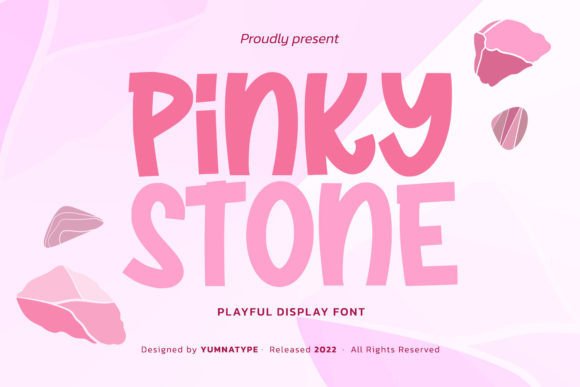
There's a certain magic in a font that can be both playful and substantial, one that carries a distinct personality without sacrificing clarity. Pinky Stone is exactly that kind of typeface—a display font built in thick weights that delivers a confident, feminine energy. Its rounded shapes and low-contrast strokes give it a friendly, approachable feel, while its clean, consistent letter proportions ensure it remains highly legible and professional. It’s a design asset that understands the balance between making a statement and maintaining harmony.
The Visual Character: Round, Bold, and Inherently Approachable
What makes Pinky Stone immediately stand out is its visual DNA. The roundness of each character creates a sense of softness and inclusivity. Unlike sharp, geometric fonts that can feel cold or technical, the gentle curves here evoke warmth and approachability. This makes it particularly effective for projects that aim to connect on a personal or emotional level with their audience.
The thick weights are a key feature. They provide a solid presence on the page or screen, ensuring that headlines, logos, and key messages don’t get lost. This isn’t a whispering font; it’s a clear, friendly conversation. The low contrast between thick and thin strokes adds to its modern, uniform appearance, preventing visual clutter and making it exceptionally clean at various sizes. This consistency in letter proportion is a subtle but crucial detail—it creates a rhythmic, cohesive look that strengthens the overall design composition.
Practical Applications: Where This Font Truly Shines
Understanding a font’s personality is one thing; knowing where to apply it is where the real value lies for designers and creators. Pinky Stone’s unique blend of fun and firmness makes it surprisingly versatile across a wide range of projects.
- Branding & Logo Design: It’s an excellent choice for creating a brand identity that needs to feel both trustworthy and lively. Think boutique skincare lines, creative consultancies, family-friendly cafes, or lifestyle blogs. The font’s personality helps in forming an immediate and memorable first impression.
- Packaging & Merchandise: On product labels, boxes, or tote bags, its boldness grabs attention on a shelf or from a distance. The clean lines ensure that product names and essential information remain easy to read, which is critical in packaging design.
- Digital Presence: For social media graphics, website headers, or blog titles, it cuts through the noise of a busy feed. Its roundness feels native to digital interfaces, and its legibility at different screen resolutions is a major plus for web design.
- Print & Editorial Layouts: Use it for poster headlines, magazine feature titles, or invitation cards. It adds a touch of modern typography to editorial design, making layouts feel fresh and engaging without being overly ornate or difficult to parse.
- Marketing Assets & Digital Products: From email newsletter headers to e-book covers and online course materials, it helps maintain visual consistency across all brand touchpoints, reinforcing recognition and professionalism.
Enhancing Your Project’s Communication Goals
Choosing a typeface like Pinky Stone goes beyond aesthetics; it’s a strategic decision that impacts how your message is received. The right premium font can directly support your core communication objectives.
Boosting Audience Engagement: A font with a distinct, friendly personality like this one can make your content more approachable and enjoyable to consume. It reduces the psychological barrier between the brand and the audience, encouraging interaction and connection.
Ensuring Readability & Professional Presentation: Despite its display nature, the font’s clean details and consistent proportions are engineered for clarity. This means you can use it for short paragraphs or important calls-to-action without worrying about reader fatigue, ensuring your professional presentation remains top-notch.
Strengthening Brand Recognition: When you consistently use a unique typeface across your logo, website, and materials, it becomes a recognizable element of your brand identity. Pinky Stone’s distinctive character helps carve out a specific visual niche in your audience’s mind.
Making the Most of It: Pairing, Testing, and Licensing
Integrating a new font into your workflow requires a thoughtful approach. Here’s some practical advice for using a display font like this effectively.
Mastering Font Pairing: A strong display font often works best when balanced with a more neutral companion. Try pairing Pinky Stone with a simple, clean sans serif font for body text. This creates a clear hierarchy—the display font for impact and personality, the sans serif for easy reading of longer content. Avoid pairing it with another highly decorative or script font, as this can create visual competition and clutter.
Testing for Context: Always test the font in the context of your actual project. How does it look in your logo mock-up? Is it still legible when printed small on a business card? Does it render well on mobile devices? Create sample layouts to evaluate its performance in real-world scenarios.
Reviewing Included Styles: Check what weights and styles are included with your license. Does it have a regular and a bold? Understanding the full range of the typeface family you’re acquiring allows for more flexible and robust typographic systems within your designs.
Commercial Licensing Considerations: If you plan to use the font for client work, merchandise, or any commercial project, ensure you have the correct commercial font license. This is a non-negotiable step for professional use and protects both you and your clients. Review the license agreement to understand usage rights fully.
Ultimately, a typeface like Pinky Stone is a tool for visual storytelling. It offers a way to inject personality, warmth, and confidence into your designs, helping you communicate more effectively with your intended audience. By thoughtfully applying it to the right projects and pairing it wisely, you can leverage its unique character to enhance your brand’s visual language and achieve your creative goals.