Kids: The Handwritten Font That Brings Joy to Your Projects
There’s a particular kind of magic that happens when you see a child’s handwriting. It’s raw, honest, and full of personality—each letter a tiny, imperfect masterpiece. Capturing that feeling in a professional design project can be a challenge, but it’s precisely what the Kids typeface achieves with stunning authenticity. This isn’t just another script font; it’s a burst of creative energy designed to inject fun, quirkiness, and a genuine sense of play into your work. If you’ve been searching for a way to make your designs feel more approachable and memorable, this could be the perfect tool in your creative arsenal.
Understanding the Visual Appeal of a Childlike Typeface
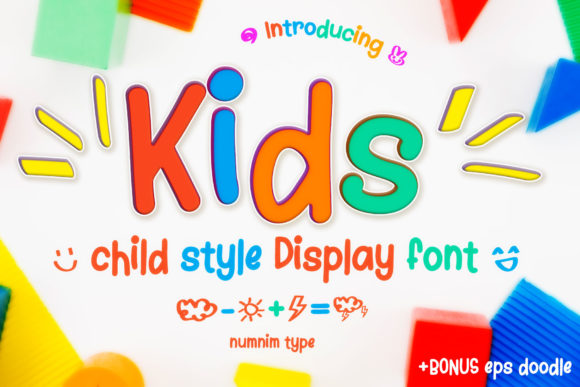
At its core, Kids is a premium font that masterfully mimics the natural, unpracticed strokes of a child’s hand. The letterforms are intentionally irregular, with varying baseline shifts and organic curves that feel spontaneous and alive. This handwritten font avoids the sterile perfection of many sans serif fonts, instead embracing a warmth that connects on an emotional level. The visual texture is rich—imagine the slightly uneven pressure of a crayon or marker translated into digital form. It’s a display font meant to be used in headlines, logos, and accents where its charming details can truly shine and become the focal point of your composition.
What makes it so effective is its balance. While it’s playful, it remains remarkably legible. The designers have crafted each character to be distinct, avoiding the overly messy or cryptic look that some script fonts fall into. This thoughtful approach ensures that while the font feels spontaneous, it still serves a clear communicative purpose. It’s a modern typography solution that understands the need for both personality and function, making it a versatile asset for a wide range of design assets.
From Brand Identity to Birthday Invitations: Real-World Uses
The true value of a creative font like this lies in its application. For a small business owner or entrepreneur, building a brand identity that stands out is crucial. Imagine using Kids for a children’s boutique, a daycare center, a toy shop, or an educational app. The font immediately communicates a sense of fun, trust, and approachability. It can form the cornerstone of your logo design, creating a mark that feels friendly and memorable. Extend it to your packaging design—think of a snack brand for kids or a line of craft supplies—where the font’s playful vibe on the box can directly influence a parent’s purchasing decision by evoking feelings of joy and nostalgia.
For content creators and marketers, the applications are equally powerful. Social media graphics are a crowded space; using a distinctive typeface like Kids for quotes, announcements, or promotional posts can dramatically increase engagement and stop the scroll. It works beautifully for blog headers related to parenting, education, or creative DIY projects, setting the perfect tone from the first click. In web design, it can be used sparingly for call-to-action buttons or section titles to guide the user’s eye with a friendly touch. For print materials like posters for school events, flyers for community activities, or invitations for birthday parties, the font does half the design work for you, instantly setting a joyful and celebratory mood.
Even in more specialized areas like editorial design for a parenting magazine or the creation of digital products such as printable worksheets, planners, or e-book covers, Kids provides a consistent and thematic visual language. Its utility extends to merchandise like t-shirts, tote bags, and mugs, where a witty phrase rendered in this typeface can become a charming bestseller.
Making Smart Typography Choices for Lasting Impact
Choosing the right font style is a strategic decision. A typeface like Kids is not a one-size-fits-all solution, and that’s a strength. It’s a specialist. Ask yourself: does my project’s goal require a tone of whimsy, authenticity, and youthful energy? If the answer is yes, then it’s a strong candidate. The key to successful font pairing is contrast and balance. Since Kids is a detailed, textured handwritten font, it pairs exceptionally well with clean, simple sans serif fonts or even a classic, understated serif font. Use Kids for your headlines to draw attention, and let a more neutral typeface handle the body copy to ensure readability and professional presentation.
Before finalizing your design, always test. View your chosen pairings at different sizes and on various backgrounds. Check how the font looks in both digital and print mockups. A good practice is to create a simple style guide for your project that outlines where and how the font should be used to maintain visual consistency across all touchpoints. This consistency is what builds strong brand recognition over time.
Practical Tips for Integrating This Font into Your Workflow
When you acquire a commercial font like Kids, you’re investing in a tool that comes with specific capabilities and responsibilities. First, review all the included font styles. Often, a family like this will include multiple weights, alternates, or stylistic sets that can give you even more creative flexibility—perhaps different versions of a tricky letter like ‘g’ or ‘y’. Understanding these options allows you to customize the look further.
Second, always pay close attention to the commercial licensing terms. These licenses dictate how you can legally use the font—whether for client projects, on merchandise for sale, or in digital products you distribute. Ensuring compliance protects you legally and supports the talented typographers who create these design assets.
Finally, think about your audience. The charm of a childlike font resonates powerfully with parents, educators, and anyone involved in children’s lives. It can evoke a sense of nostalgia and warmth. However, for a corporate report or a luxury brand, it would likely be inappropriate. Matching your typography to your project goals and audience expectations is the hallmark of thoughtful, effective design. By leveraging the unique personality of Kids, you can transform a standard project into something that truly stands out, engages its audience on an emotional level, and communicates your message with unforgettable clarity and joy.