Blank Face Doodle: A Playful Typeface for Creative Projects
You know that moment when a design needs a spark of personality, but you don't want to go full cartoon? That sweet spot between professional and playful is where the Blank Face Doodle font lives. It’s a charming dingbats typeface that brings hand-drawn character to your work without sacrificing clarity. Whether you're designing a logo, crafting social media posts, or putting together a planner, this font offers a unique visual tool that feels both approachable and intentional.
Understanding the Visual Appeal of a Dingbats Font
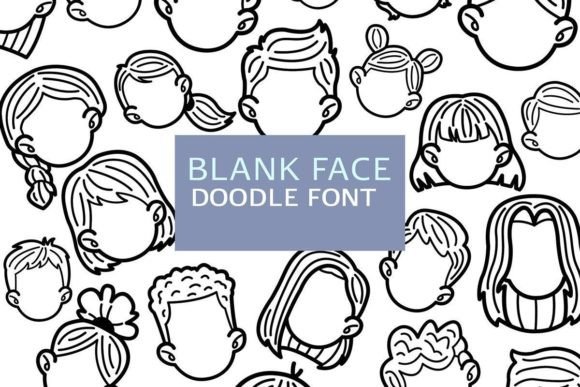
At its core, Blank Face Doodle isn't a traditional text font. It's a collection of illustrated glyphs—think of it as a visual alphabet where each letter or symbol is a tiny drawing. The "blank face" in its name refers to the simple, often minimalist line-art style of the doodles. These aren't complex illustrations; they're quick, expressive sketches that convey ideas with just a few strokes. This simplicity is its strength. The designs are clean, scalable, and work well at various sizes, from a small icon on a business card to a bold graphic on a poster.
The aesthetic leans into a modern, hand-crafted feel. It avoids the overly polished look of some vector graphics, which can sometimes feel sterile. Instead, it offers a warmth and authenticity that resonates with audiences looking for genuine connection. This makes it an excellent choice for projects where you want to inject a bit of human touch. Think of it as the typographic equivalent of a friendly handshake—it's welcoming and memorable.
Practical Applications for Designers and Creators
The real value of a font like Blank Face Doodle lies in its versatility. Let's break down where it can truly shine.
For Branding and Logo Design: If your brand identity is built around creativity, education, family, or community, these doodles can become core brand assets. Imagine a children's bookstore using a book or pencil glyph from the font as part of its logo. Or a workshop facilitator using a lightbulb or gear icon in their header graphics. The font helps build a cohesive visual language that's instantly recognizable and friendly.
In Packaging and Merchandise: On product labels, hang tags, or tote bags, a small doodle can add significant charm. It can break up text, highlight a feature, or simply make the packaging more engaging to hold. For a small business selling handmade goods, using a consistent doodle style from this font across all materials—from the sticker on the box to the thank-you card—builds a professional and thoughtful presentation.
Across Digital and Print Platforms: The applications are nearly endless. Use it to create custom bullet points in a blog post, design eye-catching Instagram story highlights, illustrate a children's activity book, or add playful icons to a website's feature list. For planners and diaries, the doodles can serve as functional symbols for different categories (a heart for personal, a star for important) while keeping the pages visually interesting. In editorial layouts, they can serve as subtle section dividers or margin decorations that enhance the reader's experience without distracting from the main text.
Integrating Blank Face Doodle Into Your Workflow
Adopting a new design asset requires a bit of strategy. Here’s how to make the most of this typeface.
First, review all the included glyphs. A quality dingbats font will have a wide range of symbols. Spend time with the character map to see what’s available. You might find a perfect icon you didn't know you needed. This exploration phase is crucial for planning your design system.
Next, consider font pairing. Blank Face Doodle is a display font—it's meant for headlines, icons, and accents, not for body text. Pair it with a clean, highly readable serif or sans serif font for your main paragraphs. For example, a classic serif like Georgia or a modern sans serif like Montserrat provides a stable foundation that lets the doodles pop without causing visual chaos. The contrast between the structured text and the hand-drawn icons creates a dynamic and balanced layout.
Test for readability and context. While the doodles are simple, always check their clarity at the size you intend to use them. A tiny icon on a mobile screen might lose detail. Also, ensure the symbol's meaning is clear in context. A heart is universally understood, but a more abstract shape might need supporting text to avoid confusion.
Finally, check the licensing. This is a critical step for any commercial project. Ensure the font's license covers your intended use—whether it's for a client's logo, printed merchandise, or digital products you sell. Reputable font providers make this information clear. Using a premium font with proper licensing is an investment in your project's professionalism and legal safety.
Beyond Aesthetics: Building Connection and Recognition
Using a consistent set of hand-drawn elements does more than just make things look cute. It actively contributes to your brand's visual consistency. When your audience sees the same style of doodles across your social media, your website, and your packaging, it reinforces your brand identity. This repetition builds recognition. They start to associate that specific visual style with your message, making your brand more memorable in a crowded marketplace.
Moreover, this approachability can improve audience engagement. A friendly doodle can make a call-to-action feel less like a command and more like an invitation. It can make instructional content feel more supportive. In a digital landscape often dominated by sleek, impersonal design, a touch of handcrafted whimsy can be a powerful differentiator that fosters a stronger emotional connection with your audience.
Ultimately, a creative font like Blank Face Doodle is a tool for storytelling. It allows you to communicate ideas and emotions visually, adding a layer of personality that words alone might not convey. By thoughtfully integrating it into your projects, you're not just decorating a page—you're crafting a more engaging and cohesive experience for everyone who interacts with your work.